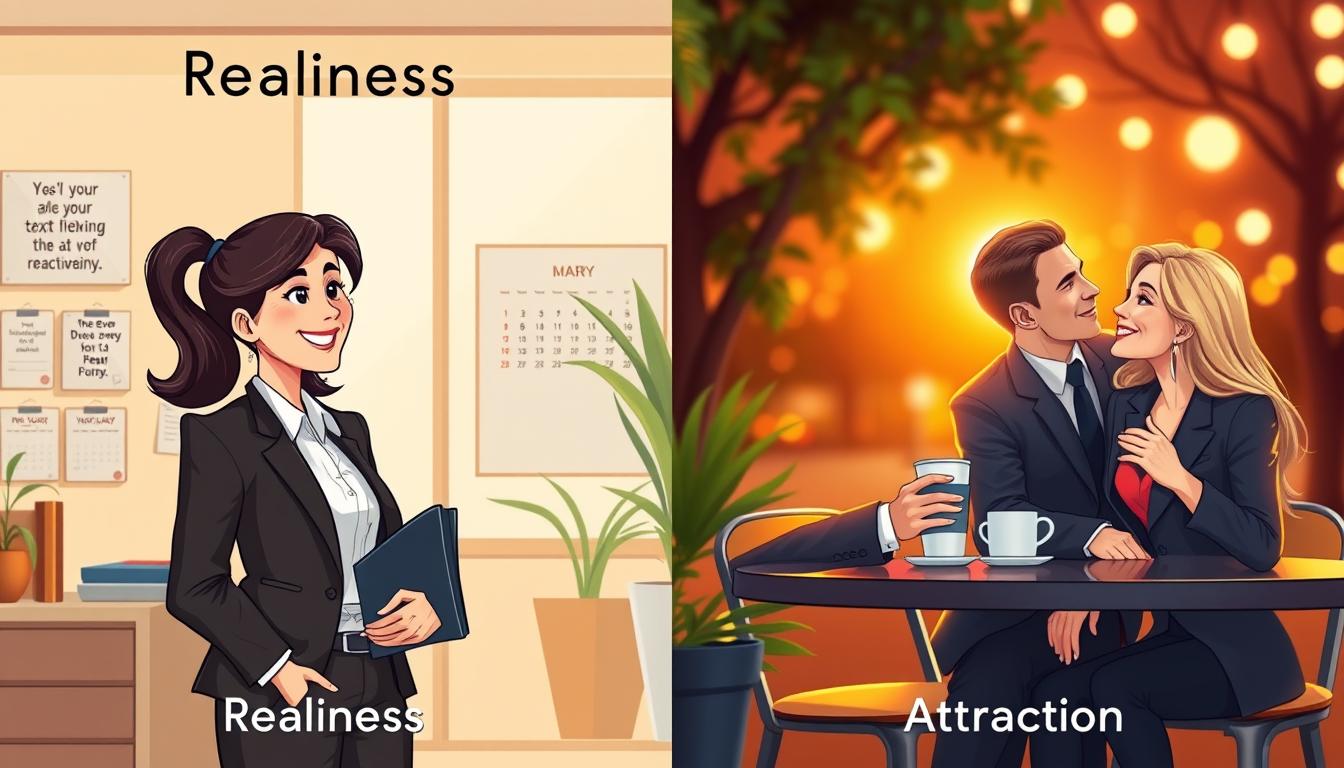
Have you ever felt a strong pull toward someone, only to find things fizzle out quickly? That initial spark is powerful. But it’s not the whole story when building something real.
Today’s social world is complex. Recent studies show nearly half of young adults are single. This highlights a major shift in how we form bonds. We have more options than ever, yet finding a true partner feels harder.
Experts say that magnetic feeling is an instinct. We don’t choose it. What we do choose is what comes next. This is where a deeper factor comes into play.
This article explores the crucial difference between that initial chemistry and the foundation needed for a lasting partnership. We’ll look at why one force might be the real key to finding the connection you’re looking for.
Key Takeaways
- Initial chemistry is often instinctive and not a conscious choice.
- The modern landscape for forming partnerships has changed significantly.
- Having more options doesn’t always make finding a good match easier.
- What you do after feeling a spark is a deliberate decision.
- Understanding the difference between two key forces can lead to better outcomes.
- A lasting bond requires more than just a strong initial feeling.
Understanding the Basics of Readiness and Attraction in Dating
That immediate chemistry with another person can feel like destiny, but it’s only one piece of the relationship puzzle. Many individuals confuse this initial spark with true compatibility.
Attraction operates on a biological level. It’s that gut feeling you experience within seconds of meeting someone. This instinctive pull creates excitement and curiosity about the other person.
Readiness involves your emotional capacity for partnership. It’s about whether you have the stability and genuine desire to invest in building something meaningful. This requires self-awareness and maturity.
You can feel intense attraction while being completely unprepared for commitment. Conversely, you might be emotionally available but not feel that spark with potential partners. Understanding this distinction helps explain why some connections fizzle out despite strong chemistry.
Both elements play crucial roles at different stages. Recognizing which one you’re missing can guide better decisions about pursuing relationships. This awareness creates a clearer path toward finding genuine connection.
The Science Behind Attraction in Dating
The magnetic pull we feel toward certain individuals isn’t random chance—it’s rooted in complex biological and psychological processes. Our brains are wired to respond to specific cues that signal compatibility.
Attraction as an Instinct
This immediate response operates on an instinctive level. Our brains process physical features, voice tones, and body language within milliseconds.
These subconscious signals communicate health and confidence. They trigger neurological responses that create that exhilarating feeling of connection.
Emotional and Biological Factors
Multiple factors influence who we find appealing. Past experiences and emotional states shape our desire patterns significantly.
Neurotransmitters like dopamine create intense reactions. This explains why new connections can feel almost addictive to some people.
Your current emotional state affects attraction levels. Personal history and media consumption also play important roles in this complex process.
The Concept of Readiness in Modern Dating
The foundation for lasting bonds often begins long before meeting the right person. Many individuals focus on finding chemistry while overlooking their own emotional preparedness.
Relationship readiness means having the emotional capacity and practical stability to build something meaningful. It involves processed past experiences and clear personal goals.
Recognizing Personal Readiness
Honest self-reflection helps you assess whether you’re truly available for partnership. Ask yourself if you’re seeking connection for the right reasons.
People who are prepared typically have stable self-worth independent of external validation. They’ve worked through previous relationship baggage and maintain healthy boundaries.
Practical life circumstances matter too. Having time and energy to invest in another person’s life shows genuine availability. A stable career and housing create space for building connection.
Common signs of being unprepared include emotional attachment to ex-partners or using dating as distraction. Wanting a relationship to fix loneliness indicates missing inner work.
This state isn’t permanent—people move in and out of readiness based on life changes. The key is recognizing where you are now and taking steps toward genuine availability.
Unpacking “readiness vs attraction dating”
Imagine meeting someone who feels perfect in every way, except they’re emotionally unavailable. This common scenario highlights the tension between instant chemistry and genuine availability.
When strong feelings clash with poor timing, prioritizing emotional preparedness often leads to better outcomes. Many people chase intense chemistry only to find themselves in unstable situations.
Our culture frequently overvalues that initial spark. Movies and media glorify love at first sight while downplaying the importance of timing and emotional work.
Pursuing pure attraction without foundation typically leads to confusion and heartbreak. The excitement fades when you realize the other person isn’t truly available for commitment.
However, when two emotionally prepared individuals connect, even mild attraction can deepen into meaningful love. Shared experiences and trust-building create the space for genuine connection to flourish.
Watch for signs you’re compromising your needs. Making excuses for inconsistent behavior or feeling anxious about where you stand suggests you’re prioritizing chemistry over compatibility.
A lasting relationship requires more than just magnetic pull. True partnership develops when both people are ready to build something meaningful together.
The Role of Chemistry and Emotions
We often trust our gut reactions when meeting potential partners, but research shows these snap judgments frequently miss the mark. That immediate spark feels compelling, yet it doesn’t always signal lasting compatibility.
Understanding Instant Attraction
When you feel instantly attracted someone, your brain’s pleasure centers light up. This creates excitement that can feel addictive. Many people chase this intense feeling repeatedly.
However, this initial attraction often stems from superficial factors. It might not reflect true compatibility or relationship potential.
The Impact of First Impressions
Modern culture emphasizes immediate chemistry, leading to what’s called “the ick.” This is when one minor turnoff ends a potential connection prematurely.
People often dismiss great partners over trivial issues. A single awkward comment on a first date can kill interest that might have grown with time.
Giving chemistry space to develop allows deeper connection to form. Lasting relationships often build gradually rather than exploding instantly.
The Choice Factor: Acting on Attraction vs. Staying Ready
Contrary to popular belief, feeling drawn to someone doesn’t mean you’re obligated to pursue them. That initial spark happens automatically, but your response is entirely within your control. This distinction gives you significant power in your romantic life.
When attraction awakens, it creates a natural desire to act. However, many people make the mistake of following every magnetic pull without considering the consequences. You can choose to either feed these feelings or let them fade naturally.
If you’re drawn to someone who isn’t emotionally available, you have options. Continuing contact and fantasizing will intensify your feelings. Alternatively, you can acknowledge the attraction while recognizing it’s not the right thing to pursue.
This conscious approach helps you build healthier relationships. Instead of being swept away by chemistry alone, you evaluate potential partners more holistically. You consider their availability, your alignment, and whether the connection has real potential.
The best way forward involves honoring attractions to available people, even when the spark isn’t overwhelming. Giving these connections space to develop often leads to more meaningful outcomes than chasing intense but unsuitable chemistry.
External Influences on Dating Dynamics
Our modern dating landscape looks nothing like it did just a generation ago. External factors now significantly shape how people connect and form relationships in today’s world.
Social media platforms have created unprecedented access to potential partners. Yet this constant connectivity comes with significant challenges for both women and men.
Social Media’s Role in Perception
Curated profiles present highlight reels rather than authentic daily lives. This creates unrealistic expectations that can sabotage real-world connections.
Many people fall into the comparison trap, judging their experiences against seemingly perfect relationships online. This happens even when their own connections are progressing in a healthy way.
External pressures from family and cultural expectations add another layer of complexity. People sometimes pursue relationships before they’re truly ready due to these outside influences.
Having extensive information available before meeting someone creates a false sense of knowledge. Knowing facts about someone doesn’t reveal true character or compatibility.
The key is recognizing these external forces and developing strategies to manage them effectively. This helps people stay grounded in their own values and timeline.
Long-Term Relationship Considerations
Building a partnership that lasts decades requires more than just a great beginning. The initial spark needs to evolve into something deeper to withstand life’s changes.
Successful long-term relationships thrive on multiple types of connection. Physical chemistry matters, but emotional intimacy and shared values create the real foundation. These elements together build lasting satisfaction.
It’s normal for early intense feelings to change over time. This doesn’t mean the relationship is failing. It signals the need for deeper bonds like friendship and commitment to develop.
Navigating life‘s challenges together tests your partnership. Career changes or family stress require emotional maturity from both people. This is where true readiness shows its value.
Couples who last consciously choose each other repeatedly. They work on communication and keep appreciation alive even during busy routines. This ongoing effort makes love grow stronger through the years.
Gender Perspectives: Navigating Different Expectations
Have you noticed how men and women sometimes seem to speak different languages when dating? These communication patterns often create misunderstandings despite everyone’s good intentions.
Many women mistakenly believe that listening intently will make a man more interested in hearing their stories. Actually, when a man talks extensively, he becomes focused on his own thoughts. For a woman to capture a man’s attention, she should share herself positively rather than dwelling on problems.
Meanwhile, men often talk about themselves when trying to connect. A better approach involves making the woman feel special through sincere compliments and curious questions about her life. Showing genuine interest in her experiences builds stronger attraction.
These differences stem from socialization, not fixed rules. The most effective strategy involves asking direct questions about preferences rather than making assumptions. Clear communication about expectations prevents unnecessary confusion.
Remember that individual personality matters more than gender patterns. Giving people space to express themselves authentically creates the healthiest foundation for any potential relationship.
Modern Dating Challenges and Online Realities
Today’s singles face a unique set of challenges that previous generations never encountered. The digital world has reshaped how we meet and connect.
Many young people feel completely exhausted by the process. Therapists report clients who are traumatized after bad experiences.
They develop negative beliefs about themselves. Constant ghosting and rejection can make anyone question their worth.
Navigating Dating Apps
Apps create a paradox of choice. Having endless options makes it harder for people to commit to one person.
Many guys and girls wonder if someone better is just a swipe away. This prevents them from investing in good connections.
Some women and men adopt a strategy called “hardballing.” They state strict expectations upfront.
This often backfires. It eliminates the organic process of discovering common ground.
Managing Digital First Impressions
Creating a profile is tricky. You want to be authentic while also putting your best foot forward.
The transition from online messaging to a real date causes anxiety for many. Fear of awkward silences is common.
Protect your mental health by limiting app usage time. Take breaks when feeling overwhelmed.
Approach each meeting with curiosity, not harsh judgment. Remember that rejection usually reflects compatibility, not your value.
Real-Life Stories and Therapy Insights
Therapy offices hold powerful insights about what truly works when building meaningful connections. A relationship therapist observes distinct patterns between generations of clients seeking partnership.
Lessons from Relationship Therapy
Older clients share nostalgic stories filled with charming details about how they met. They often mention a mutual friend or co-worker who helped spark their connection.
Younger people describe very different experiences. Alexis, 35, from Boston explains her journey after a long-term relationship ended.
“I thought finding someone new would be easy,” she shares. “But after years of almost-relationships and ghosting, I question my own judgment.”
Alisha, 25, from Toronto feels modern dating lacks depth. “People want all the benefits of a relationship without real commitment,” she notes.
Therapists see common struggles among singles today. Many women and men fear getting hurt or apply harsh judgment to potential partners.
Successful couples often invested time with someone they weren’t initially overwhelmed by. They discovered deeper attraction as they learned about character and values.
Healing past wounds and building social skills are crucial first steps. This foundation helps people approach dating with clearer intentions and better outcomes.
Strategies for Building Authentic Connections
What if you could transform your approach to meeting new people from exhausting to energizing? Building genuine connection requires specific skills and mindset shifts that make the process feel like meaningful human interaction rather than a chore.
Balancing Pursuit and Patience
Showing genuine interest without becoming pushy is an art. Give things time to develop naturally instead of forcing conversations about commitment too soon.
This balanced way allows both people to reveal their true selves gradually. Rushing the process often damages potential relationship growth.
Effective Communication Techniques
Ask open-ended questions that invite storytelling rather than yes/no answers. Practice active listening without planning your response while the other person speaks.
These communication skills create space for authentic connection to flourish. Being fully present during your time together prevents mental evaluation and worry.
Reframe rejection as compatibility information rather than personal judgment. This mindset helps you develop resilience while continuing to put yourself out there. Of course, vulnerability remains essential for deep connection.
Practical Tips to Enhance Your Dating Skills
Putting yourself out there can feel daunting, but practical skills can transform your experience. Balance your time between apps and real-world opportunities to meet people naturally.
Try bringing a book to a coffee shop or joining interest-based groups. These settings create organic chances to connect. Practice making warm eye contact that shows interest without pressure.
Consider “contra-dating” by seeing people outside your usual type. This breaks patterns that may not be working. You might discover that some dealbreakers are actually flexible preferences.
“Dating for the plot” means embracing adventure over transaction. View each date as a chance to get know someone new, regardless of outcome. This approach reduces pressure and builds comfort with yourself.
Develop conversation skills that create genuine connection. Ask open questions that go beyond surface talk. Listen actively and share stories that reveal your personality.
On first dates, choose venues that facilitate comfortable conversation. Have a plan but stay flexible. Manage nerves with simple breathing techniques if needed.
Follow up promptly if you feel a spark. Being direct about your interest shows confidence. Remember that each interaction teaches you something valuable about what you truly want.
Recognizing True Readiness in a Partner
Have you ever wondered why some connections feel promising but never progress? A friend of mine spent months seeing someone who seemed perfect, yet their bond stayed stuck in ambiguity. This common experience highlights the importance of recognizing true availability in a potential partner.
True readiness shows through consistent actions rather than words alone. When a person is genuinely prepared for commitment, they make concrete plans and include you in their world naturally. You’ll sense stability through their communication patterns and future-oriented conversations.
Watch for green flags like introducing you to important people in their life. A ready person demonstrates emotional availability through vulnerability and responsiveness. They follow through on promises and make you feel like a priority.
Conversely, red flags include hot-and-cold behavior and vague future talk. If you’re attracted to someone who keeps you separate from their other relationships, recognize this as a sign they’re not ready. The painful reality of situationships is that one person often wants more while the other remains content with ambiguity.
Have direct conversations about intentions without pressure. Share your relationship goals and observe if their actions match their words over time. Remember that you cannot change someone’s internal readiness—it’s a personal thing they must develop themselves.
Knowing when to walk away protects your emotional well-being. Staying in ambiguous situations hoping for change typically damages self-esteem. Trust your sense of when it’s time to move toward someone who demonstrates true readiness for the connection you desire.
Balancing Desire, Pressure, and Authenticity
Navigating the dating world often feels like walking a tightrope between your genuine hopes and overwhelming expectations. Many people struggle to stay true to themselves while facing internal and external pressures.
Finding the Right Pace in Dating
The constant pressure to make every date count creates unnecessary stress. This high-stakes mentality prevents you from relaxing and enjoying the process.
External influences add to this feeling. Family questions and social media comparisons can make you rush decisions. The best way forward involves setting your own timeline.
Create room for imperfection in yourself and others. Not every connection needs to be perfect to be worth exploring. This idea reduces anxiety and allows authentic interaction.
Stay true to your interests and opinions rather than performing for approval. The right person will appreciate your genuine self. This approach makes dating feel more natural and less like a performance.
Conclusion
The journey toward lasting connection often reveals that what feels right in the moment may not align with what builds something enduring. While that initial spark of chemistry is exciting, it’s the foundation of mutual preparedness that allows love to flourish through life’s challenges.
Modern dating presents unique hurdles, but meaningful partnership remains possible. Focus on developing your own emotional availability while seeking someone who demonstrates true readiness. Give people space beyond first impressions to reveal their character.
Remember that rejection typically reflects compatibility rather than personal worth. Approach each connection with curiosity instead of pressure. The goal isn’t perfection but finding someone willing to grow alongside you.
True love requires vulnerability and patience. By balancing chemistry with emotional readiness, you create the conditions for a relationship that not only starts strong but stands the test of time.