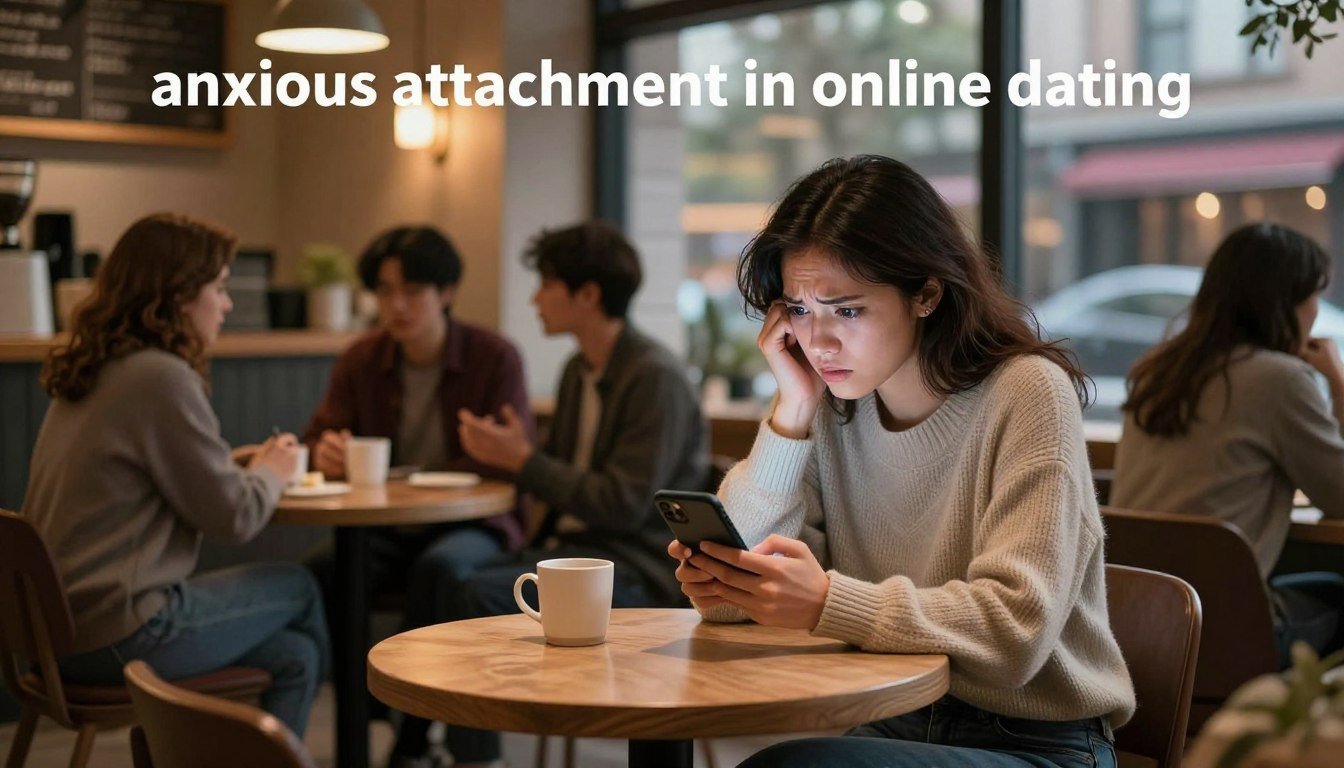
Navigating the modern world of anxious attachment and online profiles can feel overwhelming. Many people found that the constant swipe culture triggered deep-seated anxiety and a fear of rejection.
Research by John Bowlby in 1969 showed how early bonds shape how people form relationships later in life. When you have an anxious pattern, every message or pause from a partner can take up your time and mind.
Building healthy relationships took effort and self-awareness. It was essential to remember that your worth did not depend on apps or matches. By learning your patterns, you could change how you approached dating and find a partner who truly valued you.
Understanding Anxious Attachment in the Digital Age
How we bonded as children still colors our needs and fears in relationships. That link helps explain why some people keep reacting strongly to small signs from others. Learning the history behind these patterns gives practical ways to improve mental health and the quality of your relationships.
The Roots of Attachment Theory
In 1969, John Bowlby published “Attachment and Loss: Vol. 1,” which set the stage for modern work on emotional bonds.
Mary Ainsworth’s 1978 “Strange Situation” study then described common attachment styles. These findings remain a cornerstone for understanding how people form bonds and manage anxiety in close ties.
Identifying Your Unique Style
Recognizing your own attachment style is a vital step toward better mental health. Try noting what triggers your feelings and what you need in a relationship.
- Spot patterns that make you seek attention or fear abandonment.
- Consider therapy to learn ways to calm your body and regulate feelings.
- Know that moving toward a secure attachment is possible with practice.
Navigating Anxious Attachment Online Dating Challenges
A wave of app burnout has changed how people approach romantic connections.
In 2024, 1.4 million people left dating apps, and surveys show 78% feel exhausted by the experience. This shift matters if you notice that your attachment style reacts strongly to slow replies or unclear signals.
For many, waiting for a text can amplify fear and make a short pause feel like forever. Attachment often shows up as a need for constant validation from a partner, which the app world rarely supports well.
- Apps can magnify insecurity, making relationships feel tenuous.
- Understanding different attachment styles helps you read others and protect your peace.
- Set simple habits: limit refreshes, name your needs, and choose matches who respect time.
By naming these challenges, anxiously attached people can steer toward healthier connections and more sustainable love with the right partners.
Setting Boundaries and Managing Expectations
Healthy limits create space for your needs to be noticed and met. Setting clear lines helps you protect self-worth and feel safer while you meet new people.
Prioritizing Compatibility Over Instant Chemistry
Look for steady signs that someone respects your time and feelings. Instant sparks feel good, but compatibility shows up in steady actions over weeks.
- Set simple rules: how often you communicate and what attention feels healthy for you.
- Assess whether someone matches your life goals and values, not just short-term excitement.
- Practice saying no to requests that drain you; this helps ensure your needs are met.
- View rejection as normal. It does not erase your worth or your readiness for love.
It takes time to learn new ways to ask for what you need. With patience, partners who respect boundaries will show themselves. That is the clearest path to lasting relationships and feeling truly cared for.
Cultivating Mindful Communication Habits
Learning simple communication habits can cut the spiral before it starts. Mindful communication is a practical way to manage the stress many people feel with an anxious attachment pattern.
Start with clear, kind messages. Tell a partner what you need in one short sentence. Say when a pause feels hard and offer a small plan for check-ins.
- When you wait for a text, use brief self-soothing therapy: breathe, ground your body, and name one good thing about yourself.
- If you crave reassurance, try an internal script that affirms your worth before seeking attention from others.
- Practice new communication styles over time; steady effort helps both partners meet needs without pressure.
Being present and honest matters more than perfection. Over weeks, these ways build trust, reduce anxiety, and help attached people find partners who truly respect boundaries and feelings.
Regulating Emotions During the Dating Process
Managing feelings during early relationship steps helps you stay grounded. Good emotional regulation supports your mental health and makes it easier to assess partners over time.
Practicing Self-Soothing Techniques
Use brief grounding tools when worry spikes. Try three slow breaths, a short walk, or a five-minute journal entry to calm your body and mind.
Clear communication about needs also helps. Tell a partner one simple plan for check-ins so expectations stay realistic.
Recognizing Unhelpful Patterns
Dee Johnson notes fear is a natural protection response. Liz Kelly warns against judging new partners by past pain.
Charlotte’s story shows how hurt can push people toward different styles. Notice if you seek constant reassurance or withdraw; those cues point to growth areas.
The Importance of Authenticity
Be honest about your needs and limits. Authenticity attracts partners who can offer consistent support and help you move toward a secure attachment.
- Practice short, kind self-talk.
- Set simple boundaries about time and contact.
- Consider therapy to build lasting skills.
Conclusion: Embracing Personal Growth and Secure Attachment
The path to secure attachment begins with small, steady steps.
Embracing personal growth helps you shift from an anxious attachment style toward lasting change. Protecting your mental health and self-worth should guide every choice about a partner.
Take time to learn your needs and practice clear communication styles. This work makes room for partners who respect your limits and share values in relationships.
Balance your needs with those of others, stay curious, and be kind to yourself. Over time, these steps lead to more trust, better health, and real love.